Tooth Replacement 101: The Long-Term Health Benefits of Dental Implants
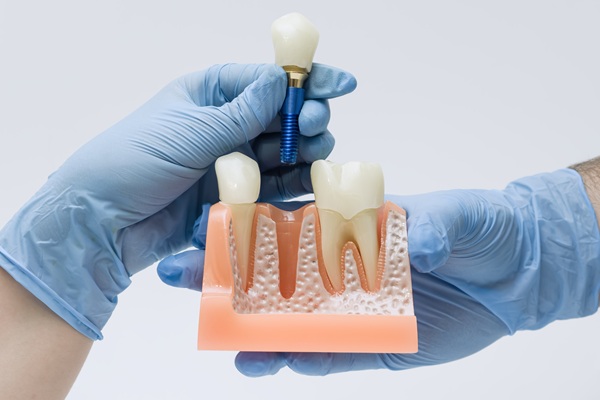
Replacing a missing tooth with a dental implant supports long-term oral health and confident function. This tooth-root substitute anchors a custom crown, restores chewing, and helps protect neighboring teeth. With proper planning and care, implants also stimulate the jawbone, maintain facial shape, and simplify daily hygiene.
Why dental implants matter
A dental implant replaces a missing tooth root and supports a lifelike crown for natural function and appearance. By anchoring directly in the jaw, it stabilizes chewing forces, preserves neighboring teeth, and supports confident speech. Compared with removable options, an implant stays in place during daily activities. That is why many general, cosmetic, and family dentists recommend implants for patients looking to maintain their eating habits and oral hygiene routines.
How dental implants support health
Tooth loss often leads to bone thinning in the jaw, but a dental implant transfers chewing pressure to the bone and helps maintain bone strength. This stability helps keep adjacent teeth from drifting, thereby protecting bite alignment and reducing extra wear. It also allows brushing and flossing like a natural tooth, simplifying home care and supporting healthy gums.
Before choosing any restoration, it helps to understand how implants contribute to long-term wellness. Here are some key advantages in everyday life and oral function:
- Bone support. Gentle, consistent bite forces stimulate the jawbone to maintain density.
- Tooth preservation. No shaping of healthy neighbors to hold a bridge.
- Comfort and clarity. Secure fit aids speech and reduces sore spots.
- Diet flexibility. Stable chewing supports a varied, nutritious menu.
- Hygiene access. The restoration and gum margins are clean, like a natural tooth.
These benefits work together over time. As a result, the mouth functions efficiently, feels comfortable, and is easier to maintain. For best results, visit a general, cosmetic, or family dentist for regular checkups and cleanings.
Dental implant care and candidacy
Successful outcomes start with a comprehensive exam to confirm gum health, assess bone levels, and plan placement around nerves and sinuses. A general, cosmetic, or family dentist reviews medical history, takes imaging, and coordinates any necessary grafting or periodontal care before surgery. With a proper plan, a dental implant integrates with the jaw and supports a precisely shaped crown that matches neighboring teeth.
Candidacy depends on overall health, gum status, and bone volume. Non-smokers generally respond more predictably, and people with diabetes or other conditions benefit from coordinated care with a physician. When several teeth are missing, multiple crowns or an implant-supported bridge may restore chewing efficiency. These approaches can also maintain the same hygiene principles used for a single implant.
With implants, daily care remains straightforward. Patients must brush twice a day, floss around the implant crown, and use interdental cleaners to reach tight areas. Further, professional cleanings and periodic X-rays monitor tissue health, confirm stability, and guide adjustments to improve comfort and function.
Schedule a consultation
Tooth replacement planning begins with an evaluation that reviews oral health, bone quality, and goals for comfort, appearance, and function with a dental implant. The dentist then outlines timelines, hygiene steps, and follow-up visits so treatment feels clear and manageable from start to finish. For more information or to schedule an appointment, call our Los Angeles office.
Request an appointment here: https://elitedentalandorthodontics.com or call Elite Dental and Orthodontics at (310) 668-1088 for an appointment in our Los Angeles office.
Check out what others are saying about our dental services on Yelp: Dental Implants in Los Angeles, CA.
Related Posts
Finding a dentist near me for emergency care can make a stressful dental problem feel more manageable and less overwhelming. Sudden tooth pain, swelling, a broken tooth, or a knocked-out tooth needs prompt attention from a trusted dental team. Our general dentist, who provides emergency care, can evaluate the problem, relieve discomfort, and recommend the…
Experiencing a chipped tooth often causes sudden stress, but a quick treatment like dental bonding is a seamless way to repair the enamel instantly. This simple process rebuilds the lost structure without requiring extensive drilling or alteration. To learn if this option is right for your compromised tooth, schedule a consultation at our Los Angeles…
A gap in the smile can feel like a major setback for your appearance and confidence. Fortunately, a dental bridge offers a straightforward way to restore your smile. This treatment bridges the gap left by a missing tooth, using the teeth on either side as anchors. The result is a smile that looks natural and…
Professional teeth whitening creates a brilliant first impression that boosts confidence during every social and professional interaction. Maintaining this new glow requires a bit of strategy, especially in the first 48 hours when the teeth remain extra absorbent. A few simple changes to daily habits protect the investment and keep the smile looking fresh for…