Will I Need a Bone Graft for the All-on-4 Procedure?
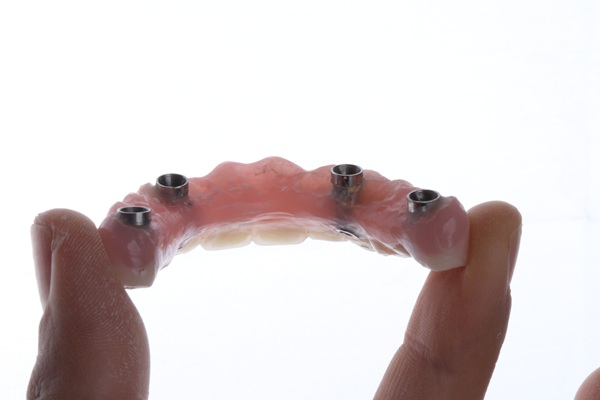
All-on-4® implants refer to a procedure where the patient gets four posts attached to their jawbone to insert dentures for a simple, quick, and long-lasting smile. They are growing in popularity due to their permanence and effectiveness. There are some things to consider before getting an implant surgery, with one of the most significant components being if you will need a bone graft.
What is a bone graft?
A bone graft is a procedure done by a dental professional to increase the bone amount in a patient's jaw where the implants would usually be placed. Different bone grafts use different bones or materials to appropriately meet the patient's needs. The process typically involves the patient being sedated, opening the gums in the area where the bone will be placed, inserting the bone, and securing the graft with stitches or adhesive.
Why would somebody need a bone graft?
Bone grafts are typically needed for those who have lost some bone support or density. This could be from a few factors, such as a jaw fracture, disease, age, or tooth loss. The most common of these is tooth loss. The four different types of bone grafts are:
- Autografts: Uses bone from the patient's own body
- Allografts: Bone from another person or cadaver
- Xenografts: Bone from another species or animal
- Alloplasts: Synthetic material like Bioglass instead of bone
Understanding the background of bone grafts
Initially, the dentist will take scans or X-rays to determine if the patient will need a bone graft. If the patient wants to get All-on-4 implants, the dentist will need a stable structure to be placed onto their jawbone, where the implants will be. Think of it like a house that needs a good foundation first.
If the dentist needs to determine that the patient needs a bone graft, they will get specific instructions from the dentist on what they should do before surgery. Once the bone graft is done, the patient will need to apply ice packs, eat soft foods, and sleep with their head lifted a bit.
The main benefits of bone grafting for All-on-4 implants
While some patients may need to get a bone graft for the implants, this is not always the case. Typically, the dentist will discuss their treatment plan with them before getting implants to address any outlying issues, such as bone or tooth loss. Once they are healed from a bone graft, the dentist can complete the All-on-4 surgery.
These implants serve many benefits, particularly for those not fond of their other options. For example, dentures may not fit or feel comfortable for many patients. They also may require resizing. This is also an excellent choice for those losing their teeth or who want something longer-lasting.
Schedule a consultation today
With All-on-4® implants, you will have a fantastic smile in as little as one office visit. They can last up to two decades with proper oral hygiene, making them one of the top contenders in the field. Discuss it with our dental team and begin your evaluation to see if this is an ideal tooth replacement option for you.
Request an appointment here: https://elitedentalandorthodontics.com or call Elite Dental and Orthodontics at (310) 668-1088 for an appointment in our Los Angeles office.
Check out what others are saying about our dental services on Yelp: All-on-4 Dental Implants in Los Angeles, CA.
Related Posts
Replacing a missing tooth with a dental implant supports long-term oral health and confident function. This tooth-root substitute anchors a custom crown, restores chewing, and helps protect neighboring teeth. With proper planning and care, implants also stimulate the jawbone, maintain facial shape, and simplify daily hygiene.A dental implant replaces a missing tooth root and supports…
Dental restoration is key to the success and appearance of dental implants. After a dental implant is placed, you must select the appropriate restoration to complete the process and restore both the function and appearance of your smile. Various options are available, each with its benefits depending on your needs and the condition of your…
Many people wonder when to call an emergency dentist for cuts, tears, or bites to the lips, cheeks, tongue, and gums. While these soft tissue injuries can look scary, prompt dental care can protect comfort, reduce infection risk, and save teeth. A general or family dentist who handles urgent cases can guide this care right…
A kid-friendly dentist offers services for children. They have some similarities to a pediatric dentist, although the two titles are not interchangeable. It is helpful to understand the difference between the two titles and how to determine which one to should visit in order to make an informed decision when choosing a child’s dentist. Kid-friendly dentists…